

Welcome to the six-seat table
For this topic, keep the following in mind. At Poker Card, this table puts you against five computer opponents using virtual chips. The topic Texas Holdem Poker Online is part of this site's supplied introduction; the playable feature here is independent Texas Hold’em practice. No account, deposit or downloadable application is needed for the built-in game. The surrounding sections explain the related topics in more detail.
Your first decision — details
A useful starting point is the following overview. Each player receives two private cards, then the small and big blinds begin the pot. Action starts to the left of the big blind before the flop. Check the highlighted seat and the amount needed to call before deciding whether to fold, call or raise. The surrounding sections explain the related topics in more detail.
Follow the community cards — details
The explanation below covers the main points. The flop adds three shared cards, followed by one turn card and one river card. A betting round follows each stage. Your final hand uses the best five cards from your two private cards and the board, so using both private cards is optional. Keeping the full context in mind helps avoid misunderstandings.
Use the betting controls — details
The explanation below covers the main points. The amount field shows your total bet for the current street, rather than an extra amount added to an existing bet. The slider and pot-size shortcuts stay within legal limits. An all-in confirmation appears before you commit every remaining virtual chip. Keeping the full context in mind helps avoid misunderstandings.
Watch the dealer button — details
The explanation below covers the main points. The D marker identifies the dealer position, which moves clockwise between hands. Position changes who acts first and how much information you see before choosing. At a table with more than two seats, the next two players post the small and big blinds. Read this alongside the related information on this site.
Resolve the pot
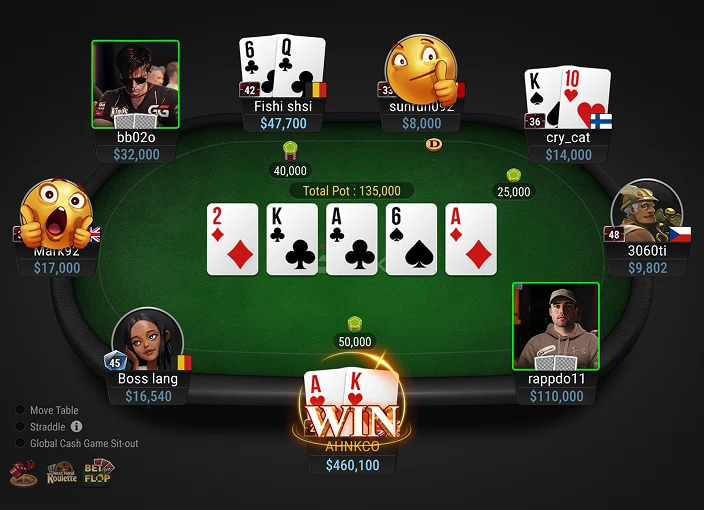
This section explains what to expect. If everyone except one player folds, that player receives the pot without showing cards. Otherwise the remaining hands are compared after betting ends. Tied hands divide the relevant pot, and side pots keep each all-in player eligible only for the chips they can contest. These details provide context for the choices described here.
Understand the computer players — details
The key details are straightforward. Computer opponents estimate hand strength from their own cards and the public board. Their decisions use varied styles and randomized choices; they do not receive your private cards or the remaining deck as inputs. These practice opponents are not a prediction of how a particular person plays. You can return to this explanation whenever you need a reminder.
Continue at your own pace — details
The following details clarify how this works. Pause stops computer actions and your decision controls until you resume. Moving to a hidden browser tab also stops the next computer decision. After a completed hand, deal again or add free chips when your stack is below the starting amount. Keeping the full context in mind helps avoid misunderstandings.
Save a table locally
Consider these points when using this feature. With saving enabled, this browser retains a separate table for each game mode on this domain. Returning to the same mode can restore that position. Clearing site storage, using a different device or starting a new table changes what can be restored. Read this alongside the related information on this site.

Learn from a finished hand — details
This overview brings the relevant details together. My Statistics shows hands dealt, pots won and net virtual chips. Hand History records completed hands when saving is enabled, including your cards and any revealed showdown cards. Use the guides to review a decision; a favorable outcome alone does not prove that the decision was sound. The surrounding sections explain the related topics in more detail.